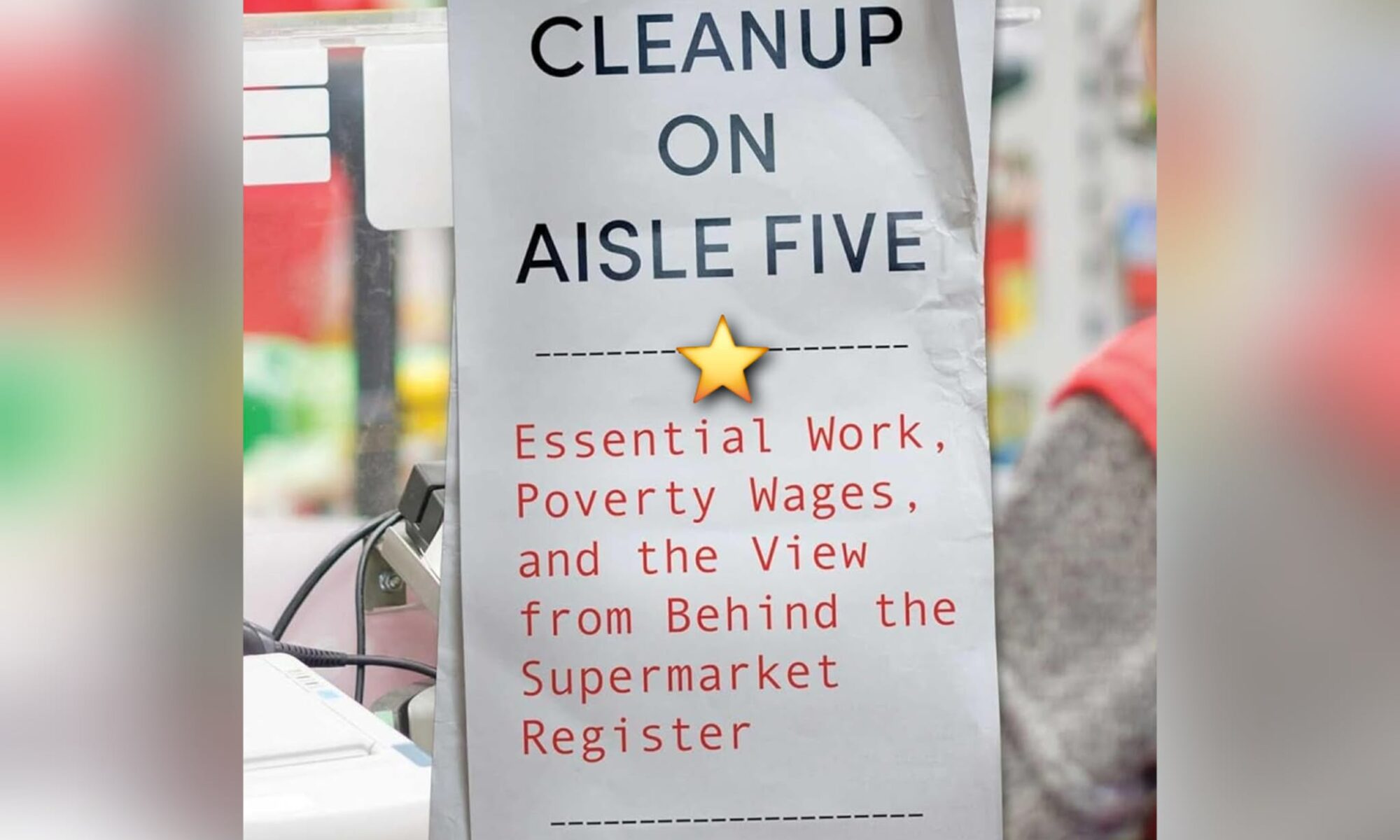
#BookReview: Cleanup On Aisle Five by Ann Larson

C.S. Lewis Warned Us About This. C.S. Lewis wrote in 1949 that “Of all tyrannies, a tyranny sincerely exercised for the good of its victims may be the most oppressive. It would be better to live under robber barons than under omnipotent moral busybodies. The robber baron’s cruelty may sometimes sleep, his cupidity may at some point be satiated; but those who torment us for our own good will torment us without end for they do so with the approval of their own conscience.” Here, we have an entire book of exactly that kind of elitist, disdainful tyranny.

Larson openly admits to being a thief in several instances within this text. Her own actions as documented within this text show her to be a hypocrite. She actively denies objective reality in claiming that FDR’s support of unionism was a good thing, when it actually and objectively extended the Great Depression nearly twice as long as it would have gone without FDR’s price-fixing policies, including his support of unions.

And yet she is *absolutely sure* she knows *exactly* what would help the very people she had to lower herself to be around because she had no other choice and had to find any possible work available to her. Truly, this is the worst part of this entire narrative, is Larson’s elitist disdain for everything and everyone around her that is positively *dripping* from these pages. She alone knows what will save these people, and she alone will force them to accept her help whether they want her involvement or not.

I’ve worked in a supermarket myself – apparently longer than Larson did, as I worked there for 2? 3? yrs at the border of HS and college, though I do admit that this was 20 yrs before Larson did and in fact was at the time one of the supermarkets best known for its customer service – a culture of customer service that was deeply ingrained in my psyche and has served me well in all professional ventures both paid and not ever since. I was a bagger at Publix back when Publix was still expanding through North Ga – indeed, my own mom had worked at another Publix store closer to Atlanta before helping open the store in my hometown, which I then worked for (under her same store manager even) a couple of years later. Interestingly, while Larson covers a bit of rival Piggly Wiggly’s history, she never once mentions Publix – despite Publix actually originating in part from Piggly Wiggly. (Publix’s founder, George Jenkins, had rapidly risen through the ranks at Piggly Wiggly before starting out on his own as the Depression was still worsening, and in fact a few of his former colleagues at Piggly Wiggly were among his very first investors.) Now, don’t get me wrong -Publix of the 2020s is doing several things “Mr. George” is very likely rolling in his grave enough to be a pretty decent fan in this Florida heat, and even then, shortly after his death, was already likely doing some things he didn’t exactly like. But the culture of absolute commitment to the highest customer service was still a thing then, and in fact prevented at least some of the issues that Larson writes about in this book. (Cart collection in particular. Was never a problem back then, because baggers were required to walk every cart out with the customer and bring it back – and were prevented upon pain of summary termination from accepting any tip for doing so. Which actually led to a fun story of my own actions in this era, where I literally chased down a car. Granted, it was in the parking lot – but it *was* moving, and I *was* able to run it down before it got to the road. They/ I had forgotten one of their bags at the cash register, and I was able to get it to them. Nearly 30 years later, I couldn’t move half as fast if I wanted to. πŸ˜‰ )

If your politics align more closely with Larson’s – who claims to be one of the activists who was leading the charge for Federal student loan “forgiveness” in shifting the burden of repaying loans students voluntarily took out to every American taxpayer and thereby both raising prices for everyone and lowering their relative income via inflation – you will probably enjoy this book a lot more than I did. It still is far from a Secret Life of Groceries by Benjamin Lorr, which was a genuinely insightful look at grocery stores and how their modern incarnations came to be, but this text may in fact be something you enjoy, and it will absolutely confirm your own biases. For those more along my own lines – I literally have a tattoo of one of the subheadings within Atlas Shrugged by Ayn Rand tattooed on one of the wrists I’m using to type this review – I think I’ve made it clear here that this is a book you will more likely want to defenestrate… and really, there’s nothing actually here worth reading beyond seeing some experiences as a grocery store worker during the insanity of the global societal collapse over COVID.

And that is actually the final star deduction here – the intense (and not mentioned in the description) look at COVID. Even now these 5+ yrs later, it is a subject I do not care to read about. Ever. I’ve had a standing one star deduction for books that mention it at all ever since, and while I’ve relaxed it for passing mentions, this book uses it quite heavily and therefore still gets the deduction.

So, just to be explicit within my own rating framework, let’s make sure we detail each star deduction, shall we:

-1 star for elitism. I cannot stress enough how very *dripping* this text is with “I’m better than everyone around me, why don’t they know this?”
-1 star for open hypocrisy – even while praising unions and actively proclaiming that this store needed one, Larson also actively shows where a union would have done (as they always do in this modern era) exactly jack and shit to actually help these workers in this store.
-1 star for openly admitting to actively stealing from her own employer. I mean, kudos for the balls to openly admit something that is at least possibly still within any relevant statute of limitations. I’m not a lawyer at all, but I sincerely hope you had one for your jurisdiction read every word presented here. Even if legally “cleared” though, this is still a moral failing that should be resoundingly condemned.
-1 star for heavy and undisclosed discussion of COVID. This one may be the most ticky-tacky star deduction of the lot, but hell, I’m fairly certain I’ll have more people agreeing with me on this deduction than any other.

Not recommended.

This review of Cleanup On Aisle Five by Ann Larson was originally written on June 4, 2026.
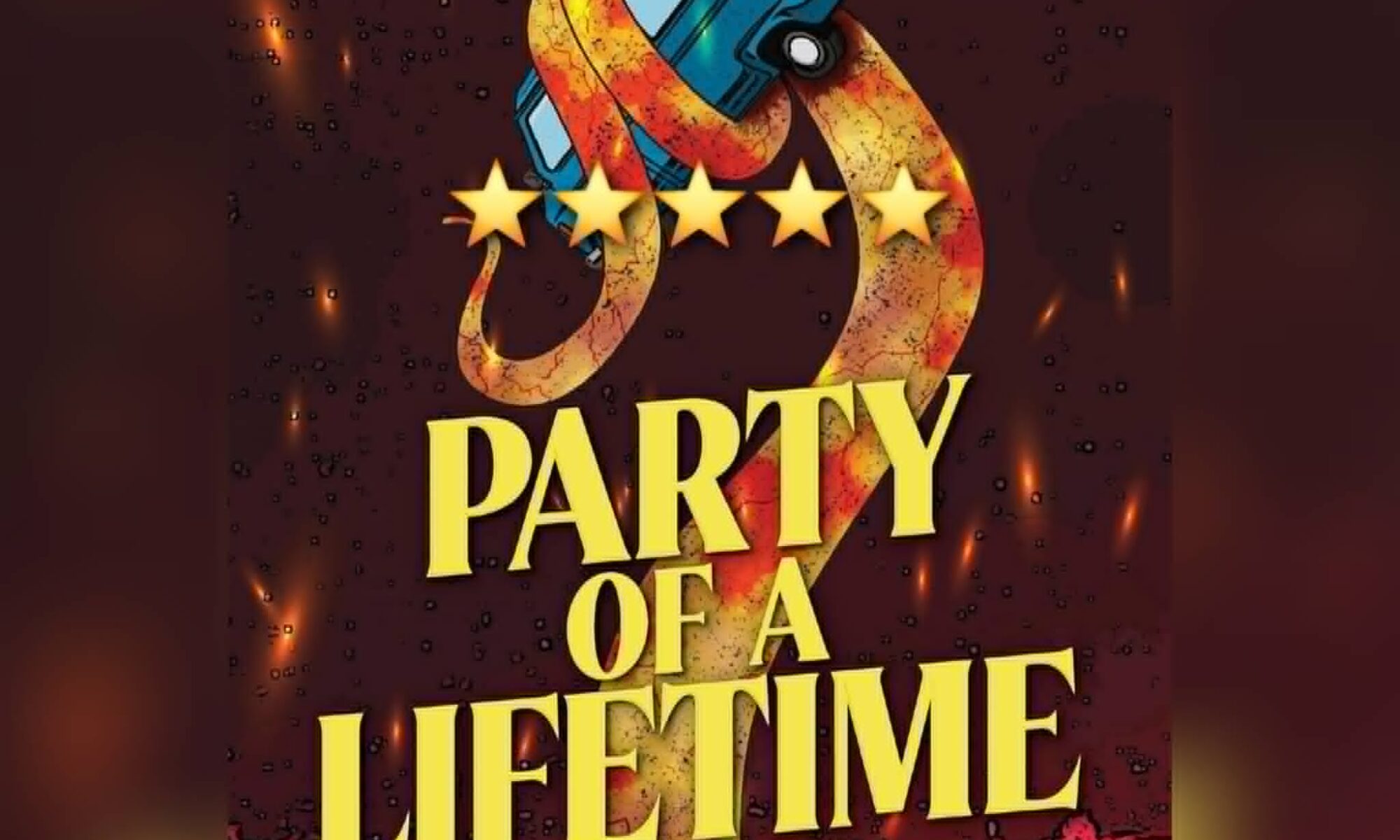
#BookReview: Party of A Lifetime by Henry Corrigan

Utterly Disgusting LGBT Stephen King x Jeremy Robinson Cross. If you’re familiar with the works of King (specifically Carrie and/ or his more.. *ahem* out there *ahem*… takes) or Jeremy Robinson (TORMENT specifically), those alone will give you a fairly solid idea what to expect as an overall story here. Throw in heavy and explicit LGBT elements (including *technically* closed door, yet still well-heard “spice”) of a variety of sexualities, and now you’ve got an even better idea what to expect here.

This is horror more of the revolting/ disgusting form than of the actually terrifying form, with a touch of The Devil Went Down To Georgia (while staying completely in the Northeast coastal regions) or perhaps the first Nic Cage Ghost Rider movie thrown in.

At a touch under 300 pages, it is a quick read… if you have a strong stomach. Seriously y’all, I’ve read some *very* wild shit over the years, stuff that truly few can handle at all… and this was pushing it even for me.

Going in, I knew this was explicitly an LGBT story and that a church would be in play, and honestly, I had fears about how that would play out. But I can tell you straight up that in this case, the church is more used as a set piece from Ye Olden Times that would still be there in this type of situation than as some anti-Christian diatribe that I had feared. Indeed, those types of issues don’t really come to bear at all, and instead the book focuses more on familial relationships specifically than any religious aspects, even as it uses different Christian-based (yet generic American/ Western European cultural versions of them) concepts within the tale.

Truly a solid LGBT based horror tale, again, of the more revolting/ disgusting side of horror than the actual straight up nightmares for years side.

Very much recommended. If you have a strong enough stomach. πŸ˜‰

This review of Party Of A Lifetime by Henry Corrigan was originally written on June 3, 2026.

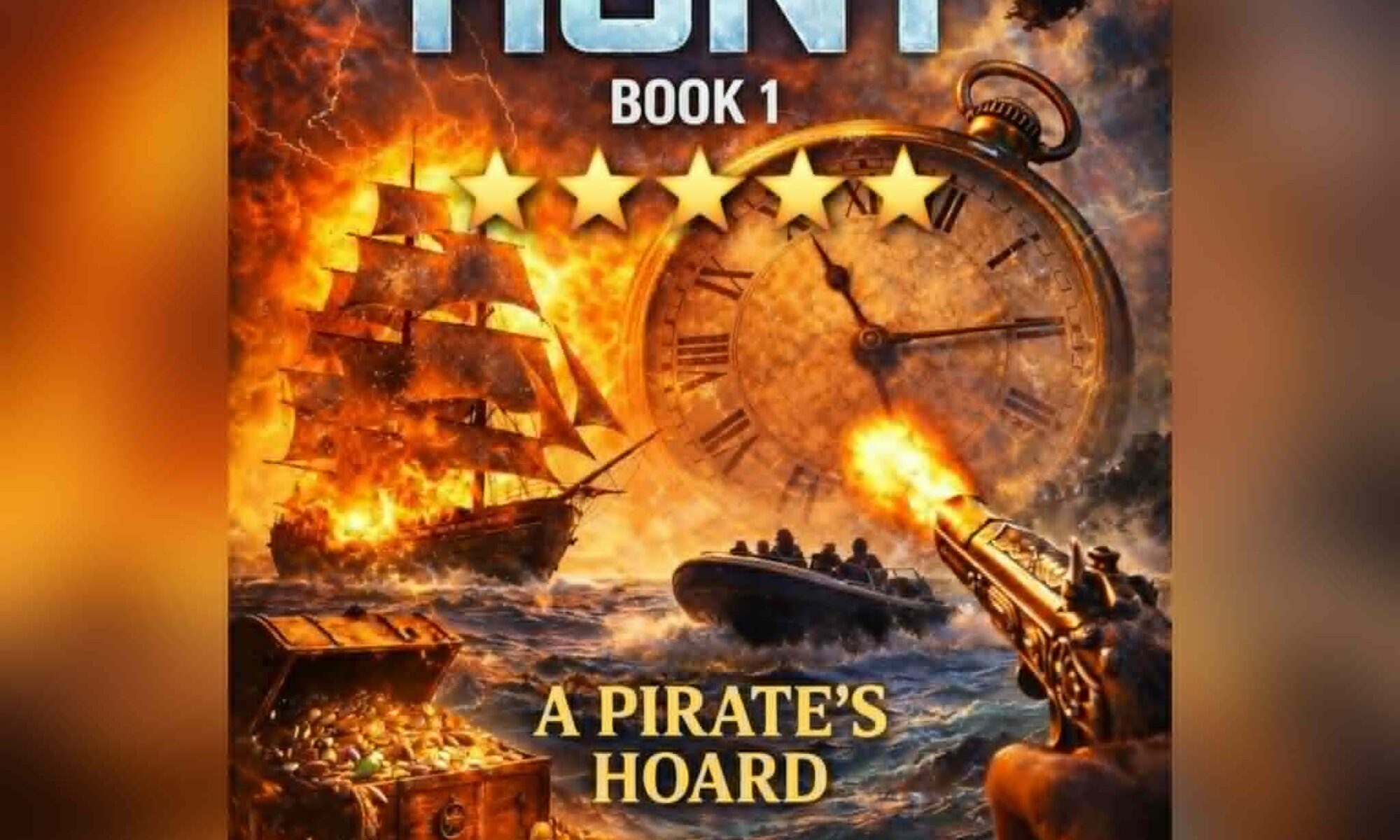
#BookReview: Chrono Hunt: A Pirate’s Hoard by Rick Chesler

Fun Scifi Adventure Chasing Pirate Treasure. This is a fun scifi adventure that takes its cues more from the Dane Maddock universe of David Wood than from a more classic Indiana Jones type – and is actually quite stronger for it. One where Chesler’s real-world diving experience is on full display in its vivid descriptions of diving, and yet one where his inventiveness in creating a wrinkle on the usual time travel trope that is rare if not unique. Indeed, it is this particular wrinkle where the tale is perhaps *most* similar to the Maddock tales – and especially in how this wrinkle ultimately plays out in the endgame-, while still being a tale very much its own.

Much like A.G. Riddle’s own time-bending tales, this is one that will have you begging for more when it ends… and wondering how in the hell Chesler is going to go anywhere at all with this, in the best ways.

A short read full of pirate lore and the aforementioned beautifully vivid diving, this is going to be a great read for guys in particular over the summer (or anytime, but particularly in that “summer mood”), though anyone at all who enjoys a solid adventure with a touch of scifi will also enjoy this book quite well.

Very much recommended.

This review of Chrono Hunt: A Pirate’s Hoard by Rick Chesler was originally written on June 1, 2026.

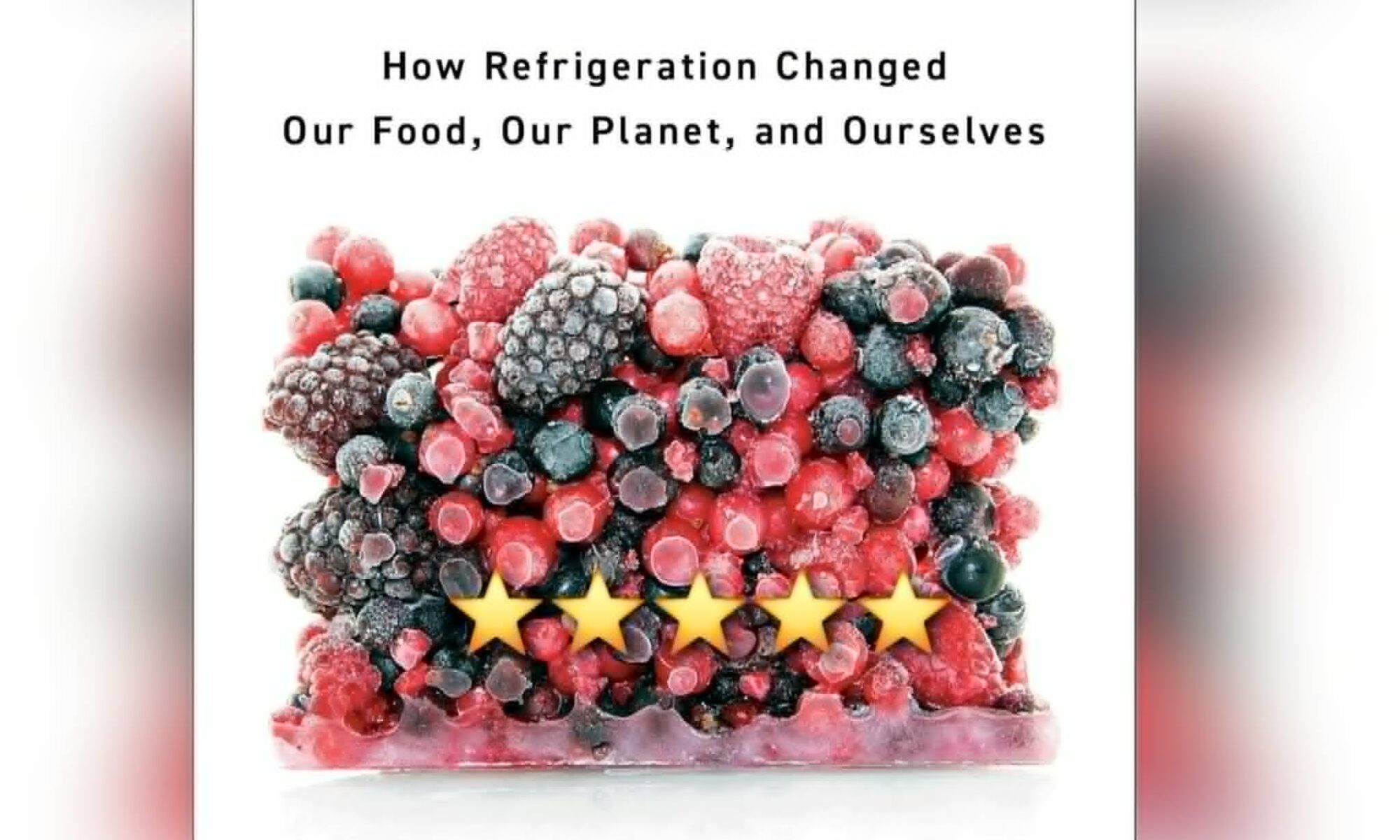
#BookReview: Frostbite by Nicola Twilley

Utterly Fascinating Parallels Between History Of Cold Food Tech And AI. This is the book I was reading on my walks in May 2026, and it was truly utterly fascinating to see the parallels between the history of cold food storage and transportation technology – a history of basically the past 150 yrs in particular, though Twilley does indeed also cover how food was cooled and stored before that period as well – and that of the current history-in-the-making of AI technology. One thing that stood out in particular was just how much more power is used for cold food storage and transportation than AI uses – a fact that actually checks out upon an independent deep dive. Another was the rapidity of societal change from “this new tech is harmful” to “this new tech is essential” – Twilley speaking directly of refrigeration of food, yet seemingly *also* speaking to the near future history of AI.

But the history and its parallels aren’t the only details that were fascinating to learn. Twilley covers seemingly everything about the topic, including how foods are kept fresh in grocery stores – and bleeding edge research to extend this in a variety of ways for a variety of foods – but also how the entire concept of cold food storage and transportation is being developed in rising areas such as China and Africa, and the challenges of bringing both regions to the levels that Americans and Western Europeans have now taken for granted for generations.

Overall a truly astounding text full of information that will illuminate several areas of your life that you hadn’t previously considered – likely even if you work in HVAC or (as in my case) have family and friends that do. One that has direct bearing on so many conversations in the zeitgeist of late, including not just AI but also GMO foods, power generation tech, and even cooling technology more generally. Indeed, in questioning whether cooling is an actual net positive for humanity (it is, but Twilley points out some areas where it is genuinely changing us and explores ways these changes may be mitigated), Twilley actually actively adds to even the very conversations she is covering within this text.

Absolutely one book that so very many should read, particularly those that pontificate about certain issues without having any clue about how very small those ant hills are in relation to the hills and indeed mountains of food chilled and refrigerated and the technology – and its power and resource consumption – that enables said mountains to exist at all.

Oh, and one note: As I read the Audible form of this book and this was not an Advance Review Copy, I do not have access to depth of bibliography information. This text would absolutely have the Sagan Standard applied though, so I do hope that the text forms of this book have at *least* 20% bibliography – I just don’t have access to that information as I write this review, and because of the format I consumed the book in, it did not bear on my actual experience with the text.

Very much recommended.

This review of Frostbite by Nicola Twilley was originally written on June 1, 2026.

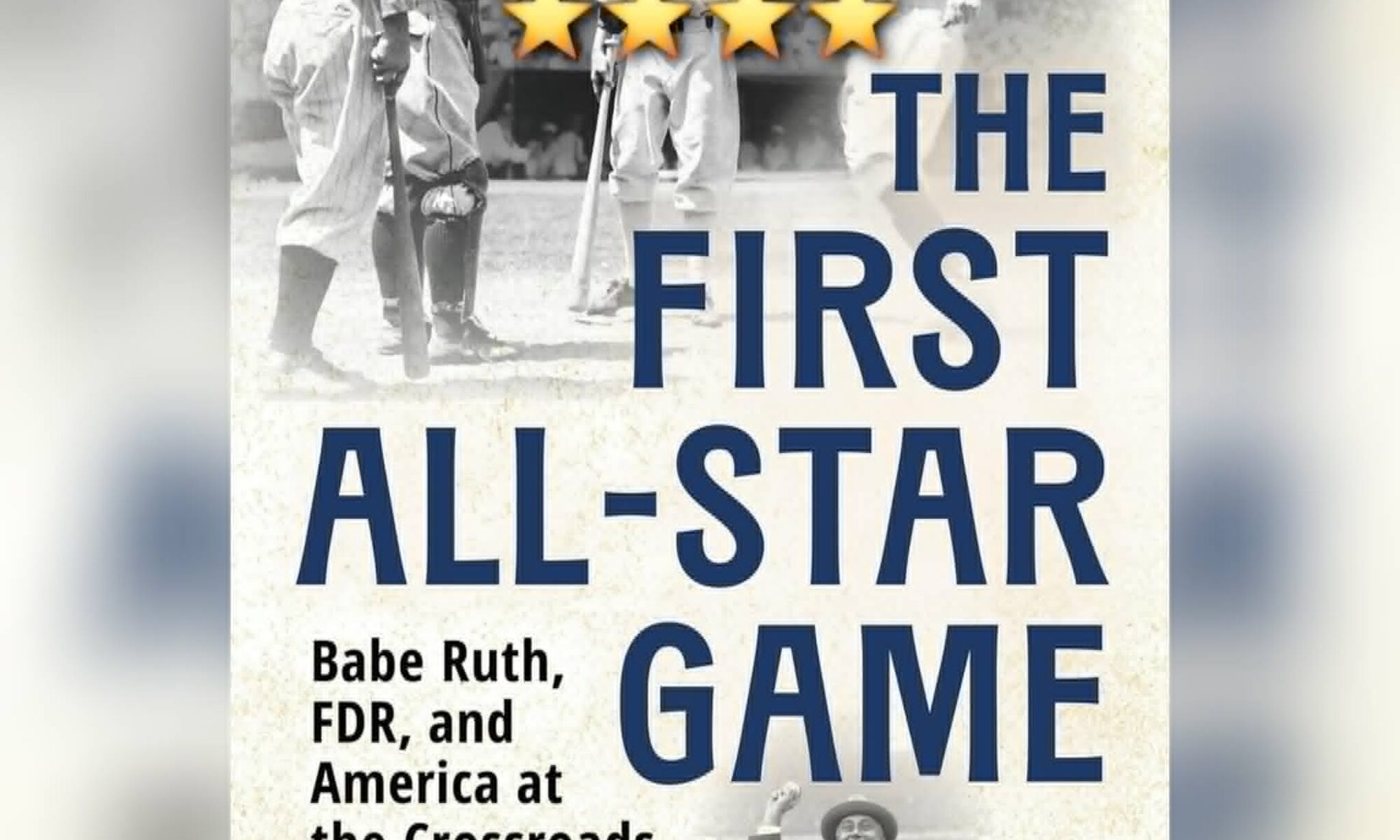
#BookReview: The First All-Star Game by Randall Sullivan

Whole Lot Of History. Very Little Baseball. The biggest thing I can tell you about this book in a review is that if you’re expecting a baseball tale – ie, a tale of the game itself… well, technically that is here… but it is less than 10% of the overall text, with another 10% being the bibliography. Meaning 80% of the volume of this book is anything *other than* the titular game.

Now, don’t get me wrong here. Sullivan does a *phenomenal* job tracing the history of virtually everyone who had anything to do with the game… at least anyone in any “official capacity”. So not the hot dog vendors walking the aisles, but damn near anyone remotely connected to anyone who set up the game or was on the field for any part of it.

As a history of America in the 1920s and 1930s, this works well. As a history of baseball up to and slightly beyond this point, it works well. Even as a biography of Babe Ruth, this book works well. Hell, to a slightly lesser extent, as a history of Lou Gehrig, this book works reasonably well.

The one thing this book does not do that well at all is, well, focus on the titular First All-Star Game itself, instead focusing on everything *around* said titular game. To the point that the game itself is damn near anticlimactic or even an actual after thought.

If you’re coming to this book to read in detail about the game itself, I cannot stress enough how very disappointed you will be. But if you’re coming to this book to learn about how the game came to be and, to a degree, what happened to everyone after… yes, this is absolutely that book, and Sullivan does this quite well indeed.

To the level that the only reason for the star deduction? The aforementioned 10% bibliography, when it needed to be at least 50% larger to meet my 15% minimum standard – and yes, in a book like this, it absolutely needs the extra documentation. Particularly as it actively refutes at least a few claims that have been circulating for nearly, if not more than, a century now.

Very much recommended.

This review of The First All-Star Game by Randall Sullivan was originally written on May 30, 2026.

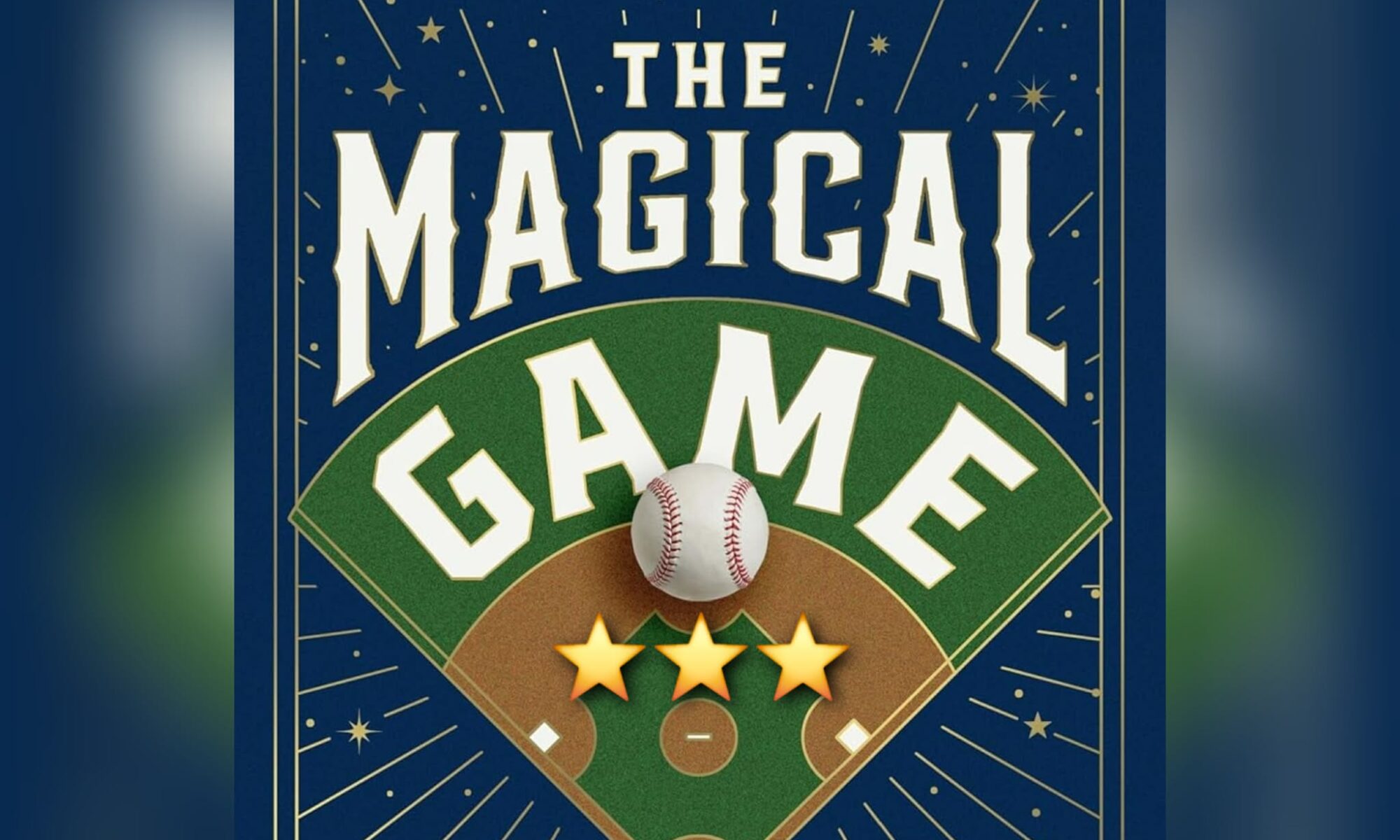
#BookReview: The Magical Game by Addy Baird

Baseball As Background Yet Overall Enjoyable Enough. This is one of those books that has several flaws – some easily fixed, others not so easily fixed – such that none of them individually are really *that* big of a problem, but in any combination amount to enough of a problem to give many readers at least some pause. Thus, while there isn’t a single issue to hang any particular star deduction on, each of these issues are significant enough to me to be something like a 0.6 star deduction individually… which adds up to 1.8 star deduction across all three, necessitating the rounding up to a 2 star deduction.

First, the one that gets so many nonfiction books: The bibliography clocks in at just 14%, which is *just* shy of the 15% I normally expect (itself a loosened form of my former 20% expectation). Still, I think I’ve allowed even 12-13% to skate by before… except that in this case (and this next bit may well be corrected in the final published version rather than the Advance Review Copy version I’ve had for roughly 4.5 months prior to publication), Baird gets a rather well known fact – a fact so well known it is literally enshrined in the Major League Baseball Hall of Fame in Cooperstown, New York – *completely wrong* in claiming that Hall of Fame *third* baseman Chipper Jones of the Atlanta Braves was a “first” baseman. Maybe that was a slip. Maybe it was an editor that missed the slip. Maybe it was in fact shoddy scholarship – Jones had retired before Baird says in this text that she became a fan of baseball, though he was elected as a first ballot Hall of Famer during the era Baird claims to have been following the sport. Still, the *just* short bibliography combined with this slip… like I said up front, not necessarily a reason to deduct a star in and of itself, but then we get to…

The perception that Baird may have allowed her own world view to impact her objectivity in reporting basic facts. In this case, I point specifically to the section of the text where Baird is discussing different religious beliefs on the origins of humanity and calling even religions practiced today by literally billions of people (particularly when combined) “myths”. But not only this, but Baird also specifically names Hindu and various Native American religions, among others… while classifying the Abramic religions (Judaism, Christianity, Islam) creation story as “one popular, basic creation myth” before citing the opening lines of the text the Christians call the Book of Genesis. Again, not necessarily something that on its own would have warranted a full star deduction (simply a discussion in the review, as here), but in combination with the bibliography and biography issues above… there’s at least one star gone, with a little extra “oomph”.

Thirdly, we finally get to the title of this review. The way this book ultimately reads, at least to me – and please read the book yourself and leave a review wherever you see this one, and feel free to claim I’m a moron here if you feel the need – is that Baird wanted to write a book about superstitions, rituals, and curses… but needed some kind of narrative structure to enable that discussion in a cohesive and approachable manner. Given that baseball really is filled with all of the above, it makes sense that this sport would be a very conducive narrative structure for such a discussion. But don’t then market this book as a *baseball* book when baseball really is the secondary feature of the book. This is not *really* a book *about* baseball – it is a book *about* Baird’s views on superstitions, rituals, and curses… that uses baseball as a way to explain them.

Still, ultimately, for what it is and indeed for how it is written, this is in fact an engaging and interesting read. It simply isn’t the read that readers would be led to expect they’re getting from the cover and description the weekend before the book’s publication (though these can also be updated at some later time, even, perhaps, before publication even now).

Read this book though. Truly. It really is full of all kinds of fun stories, even if your team isn’t the New York teams Baird prefers herself. You, like me, are probably going to hear stories here that you had never previously known, even if baseball is your complete life. And make sure, again, to leave a review wherever you see this one. My thoughts here could very well be unique to me, and I could in fact be more wrong that right in all that I’ve said here. But this review is true to my own experience with this text, and I will stand by it for that reason alone, even if literally every other reviewer disagrees with me.

Recommended.

This review of The Magical Game by Addy Baird was originally written on May 30, 2026.

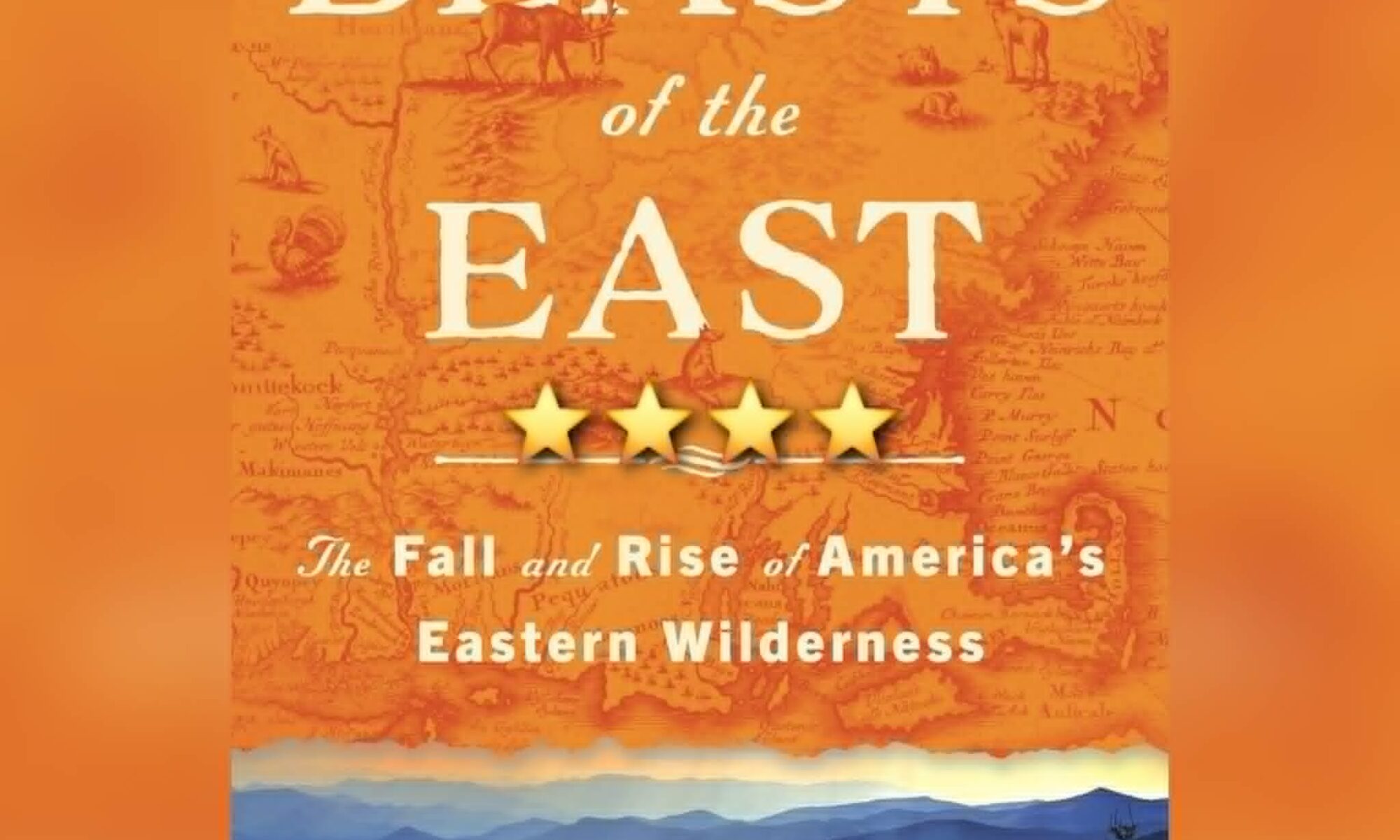
#BookReview: The Beasts Of The East by Andrew Moore

Interesting History Marred By Substandard Bibliography. This text essentially takes Cat Tale by Craig Pittman and does for elk, buffalo, and red wolves what Pittman did for the Florida panther – explain the historic ecology of the animal, how humans nearly wiped it out, and what humans are doing to try to restore it. And yes, even without directly naming Pittman in the text, the story of the Florida panther is at least briefly mentioned here, specifically as it relates to similar issues and interventions with the red wolves.

Along the way, we’re going to meet a *lot* of humans and see their roles in the fall and rise of these species, and we’re going to get a *lot* of discussion of both plant and animal ecology… and how the two different types of scientists and activists are often at odds, or at bare minimum rarely talk in the same “languages”. We’re going to see historic figures both known and not, including some in both areas who have had significant impacts on these creatures in various ways.

All of this is done in a professional journalist tone, but with a clear (if relatively mild) bent to a particular worldview common among professional journalists and scientists. Which will be annoying to some readers, but should only rise to the level of seeking the nearest window for defenestration purposes among the most extremely against this view. Point being, this isn’t a book where the author is going to inject humor or levity really at all – this simply doesn’t appear to be this author’s style, and the style he chooses to use here ultimately works to be informative without being sleep inducing, which can be a very fine line to toe at times.

Really the only actual fault here was the dearth of a bibliography, listing a “selected” bibliography of just 10% of the Advance Review Copy version of the book I read a week before publication (despite having it for several weeks before that), when a bare minimum of 15% – and more typically, particularly for books of this type, 20-30% – documentation is more standard.

Ultimately, the fate of this book will actually have a lot in common with the animals it details: Getting people to actually care about these animals will ultimately determine both their fate and the fate of this book, and indeed one would expect that both sides would help each other in common marketing here. But as a general guide from someone outside of that particular group, I would say that if you’re interested in the history of ecology and the natural North American biome, both in what it was and in how humans have been shaping it these last few hundred years in particular, this is absolutely going to be a book you’ll find interesting. If you’re looking to learn about these issues at all, this will be a solid overview of everything that has transpired through late 2024 or so. And if you’re just looking for a decent doorstop, well, at 400+ pages, eh, this could work in a pinch there too. πŸ˜‰

Very much recommended.

This review of The Beasts Of The East by Andrew Moore was originally written on May 27, 2026.

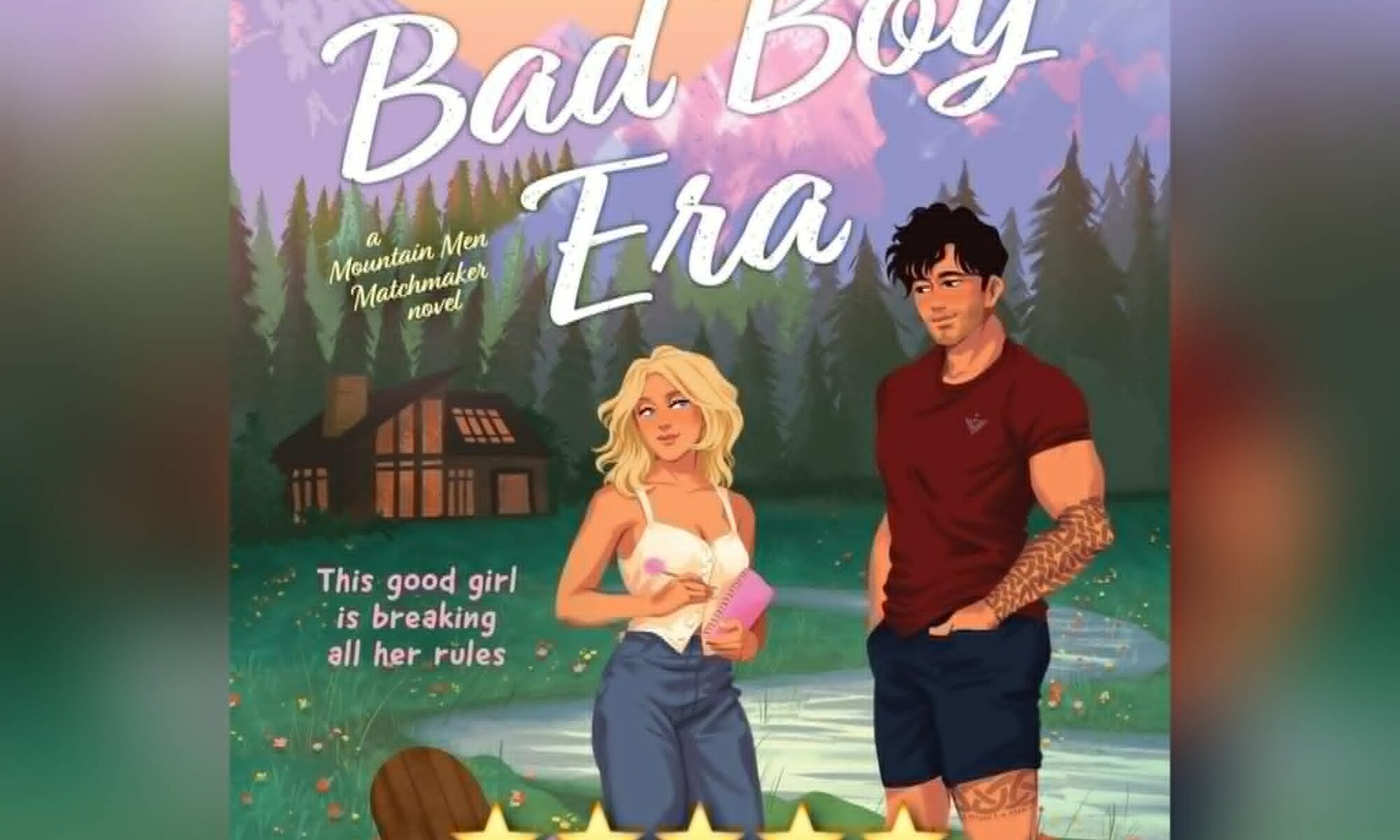
#BookReview: Bad Boy Era by Amy Daws

Solid Spicy Series Swan Song. This is it. The moment the series has been building to – Everly’s story. And for those who have read this series to this point, it absolutely does not disappoint. We’ve got the hilarity. We’ve got the habanero spice, maybe even hotter – those that prefer a warm glass of milk, yeah, this series isn’t for you, and this conclusion definitely isn’t. We’ve got the returning cast of characters – all of them, including the animals. We’ve got the heart.

New this time, we’ve got a sports romance that uses terms from the sport as a bit of narrative structure and yes, does show at least a couple of games – though this is absolutely romance first, sports second. Also new this time we’ve got a bit of Fifty Shades going on to a degree (to be clear, the non-bedroom side of that tale), and this is one area that will perhaps be more hit or miss for some readers – but also one that works fairly well to grab in a lot of male readers generally turned away by so many romance books.

Ultimately, this *is* a series conclusion that must also stand on its own and tell its own tale while also wrapping up the series, and it does all of this rather well. Readers who have gotten this far into the series will be left satisfied, and readers who pick this book up first… well, I hope you don’t mind at least a few spoilers and at least some element of “what the fuck is going on here”. Yes, I cannot stress this enough: Begin this series with Nine Month Contract, book 1 of this spinoff series, at minimum, if not Last On The List, which actually first introduced Everly and her dad. (Nine Month Contract is absolutely sufficient here, but completionists/ those adamantly opposed to any spoiler whatsoever should likely start with the earlier book.)

Truly a fun read, if a touch long for many romance novels at roughly 450 pages, this really is a great conclusion to its series and one that executes well on all that had been set up before.

Very much recommended.

This review of Bad Boy Era by Amy Daws was originally written on May 26, 2026.

#BookReview: A Brief Fleeting Almost Impossible Gift by Karaya Vega

Fault In Our Stars Meets Meet Joe Black Meets Twilight. This is one of those sad romance novels – and yes, it does meet every known RNA/ RWA “requirement” for romance novels – that specifically because it *is* so heavy is actually that much better for it. This isn’t a feel good beach read. At all. This book is going to haunt you in some of the best possible ways – but it is going to have quite a few very dusty rooms throughout. It is a powerful romance of its form, and it has that tinge of the paranormal that humanity has always wrestled with in these points of our lives.

It is almost as much character story as romance, and that is where the real depth comes in. It asks a lot of the questions that are seemingly common at this point, particularly when you are so young. Which I happen to have a degree of experience with these last several months, as my wife had a Widowmaker type heart attack at just 43yo almost a year ago as I write this review, survived (because she was literally 3 miles from Advent Celebration hospital just outside the gates of Walt Disney World near Animal Kingdom), and now less than a month ago had a quadruple bypass surgery. Indeed, that surgery is the reason this review has been so delayed and the reason I fell about a month behind on reviews generally, though this review marks the beginning of the final phase of me catching up on them – this and two other books came in after I knew the surgery was coming, and all three authors knew up front the review would be delayed. So while I’m not dying myself (not any more than everyone is all the time, at least), I’ve been quite close to these questions from the side of the “significant other” and know all too well this side of that. Which I know is something far too many will identify all too well with, either from the characters’ perspectives here or from my own.

For those that can withstand or even appreciate the weight of this tale, it really is one of the better books I’ve read this year – and this was the 75th book I’ve read so far in 2026. Even without looking back, I can tell you that this book is right up there in the top third of those at minimum, *perhaps* as high as Top 10 or even higher. It really is that good – but it is absolutely one that you need to be in a mental place to be able to withstand its weight to fully appreciate, and I understand all too well that not all readers are in such a space at all times. I would still recommend picking this book up for when you *are* in such a space, because even if you’re one of those left behind by someone like these characters, it really can bring a degree of catharsis when you’re in the space to be able to accept it.

For me, the absolute best romance novels are not the bubblegum or even Hallmarkie ones. Don’t get me wrong, those are good for what they are, but they’re the safety blanket or the candy. They’re designed to be safe at worst and even fun and enticing at best, and they are awesome. Needed, even. But the best, most powerful romances for me will always be the ones where death is imminent – and love is chosen anyway. Whether that be a Without Remorse by Tom Clancy, where John Kelly becomes one of the most sadistic, brutal murderers you can think of specifically because he is going after the people who killed the woman he fell in love with while leaving him for dead himself, or a Nicholas Sparks tragic romance or, yes, a Shakespearean romance (no, not Romeo and Juliet, where teens were being overreactive teens and if they had just slowed down and thought things out, virtually none of the tragic elements there would have happened). Or even a Pearl Harbor (the 2001 Michael Bay movie) or even (and I’m really going to piss even more people off with this one that perhaps any of them yet!) the Star Wars prequel movies and how Anakin Skywalker becomes Darth Vader *specifically because he is trying to protect the woman he loves*. This is *that* type of romance, romance knowing death is absolutely imminent, and it is so much more powerful because of it.

Very much recommended.

This review of A Brief Fleeting Almost Impossible Gift by Karaya Vega was originally written on May 23, 2026.

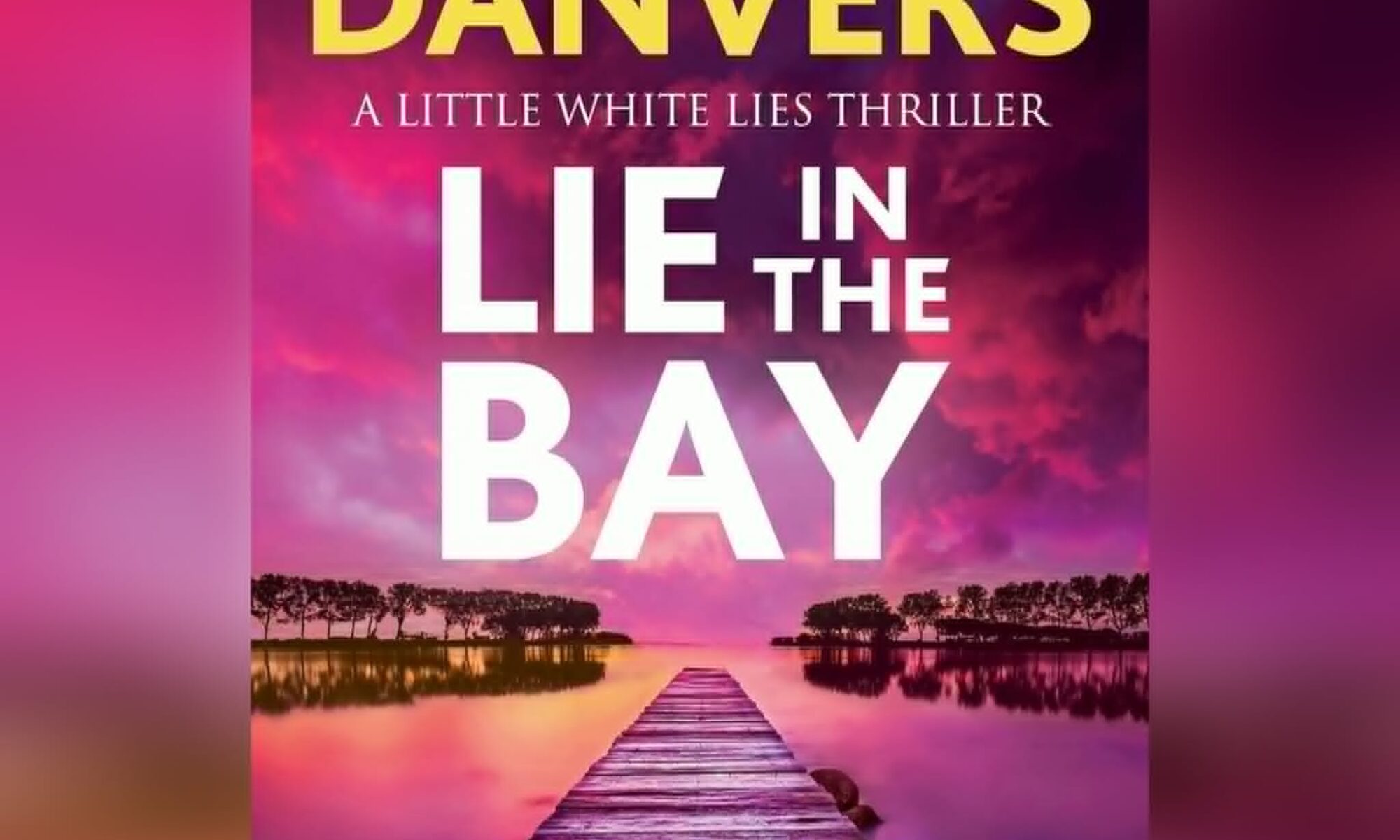
#BookReview: Lie In The Bay by Holly Danvers

Strong Yet Short Neighborhood Mystery. Fans of the whole “entire neighborhood has secrets that impact each other” subgenre, I have a book for you. Even if you don’t think you’re into that thing… this is still a strong mystery that you’re going to want to try out.

Danvers manages to pack quite a tale into less than 250 pages, making this a great short read for those looking to not turn as pink as the cover of this book while reading it poolside or beach side during the summer. Told from multiple perspectives, Danvers does a solid job of making each feel distinct enough from the others that it is fairly easy to track who’s head we’re in at any given point, at least for those readers who don’t find doing this at all taxing to near impossible. Danvers even manages to illuminate some far too common “real world” issues these days in ways that never feel preachy yet also show the “real world” complications of these actions.

Truly a great, short, mystery read that will thrill fans of the genre and raise the heartrate of nearly anyone, particularly given its different sequences here.

Very much recommended.

This review of Lie In The Bay by Holly Danvers was originally written on May 22, 2026.